
There is a restaurant in Praiano with nine tables, no printed menu, and a view that makes you forget to eat. The owner brought out six courses I did not order and could not name, all of them extraordinary. That dinner — the octopus, the lemon pasta, the silence between courses — is why I keep going back to the Amalfi Coast. It is a place that feeds you in every sense.
"The Amalfi Coast teaches you something important: some places are not meant to be rushed. Slow down. Eat more. Watch the light change."
Getting There
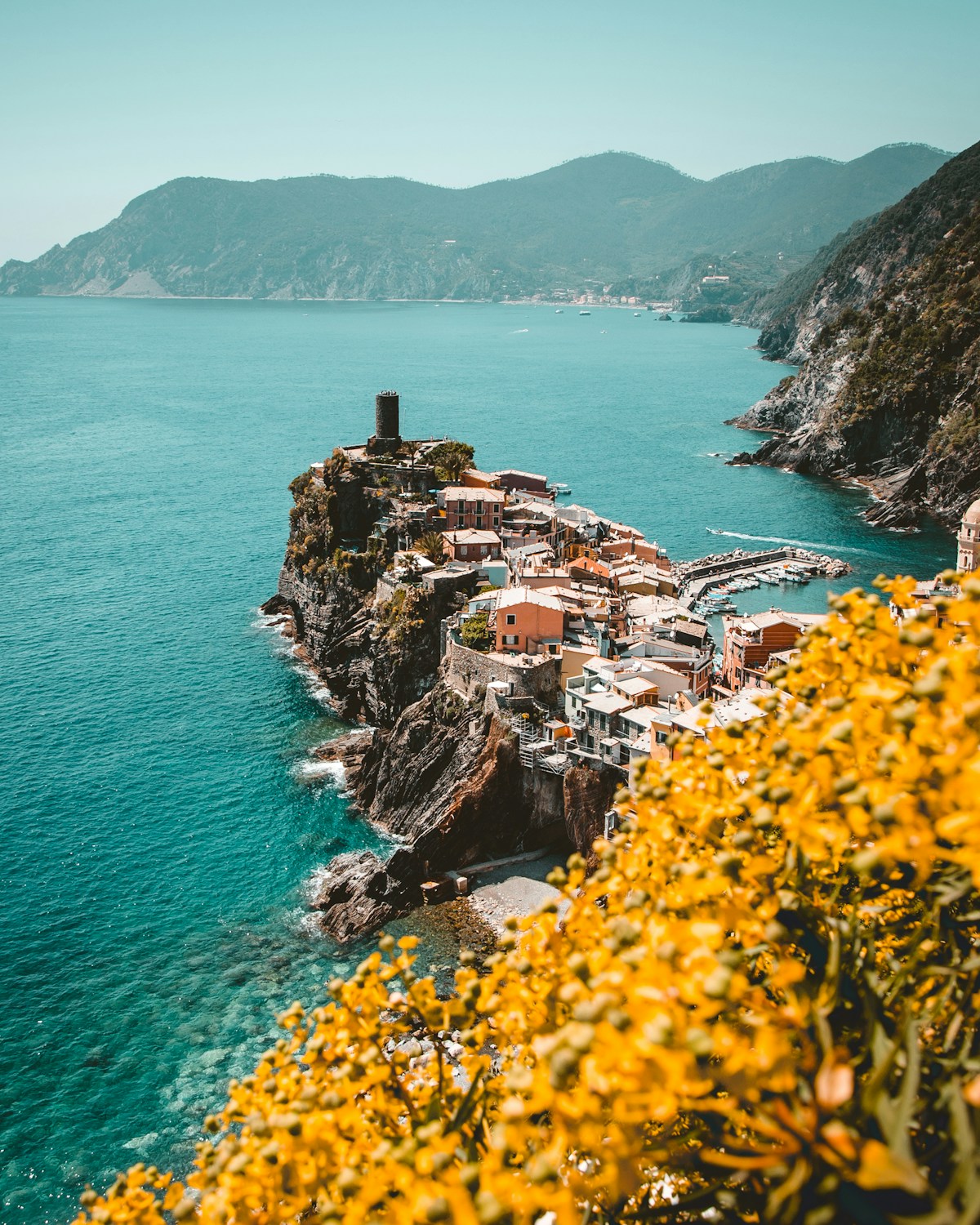
Fly into Naples (NAP) — the most direct gateway. From the airport, take the Circumvesuviana train to Sorrento (about 1 hour, remarkably cheap), then a ferry or the Sita bus along the coast. The ferry is the move in summer — the coastal road buses are an adventure but can be slow during peak season.
Naples has direct transatlantic service from New York (Delta and ITA Airways) and excellent European connections. Alternatively, Rome (FCO) is 3 hours by train — and often cheaper to fly into. From the UK, Ryanair and easyJet offer regular Naples flights from under £50 each way. Book April or October visits to get shoulder-season prices with near-peak-season weather.
The Route
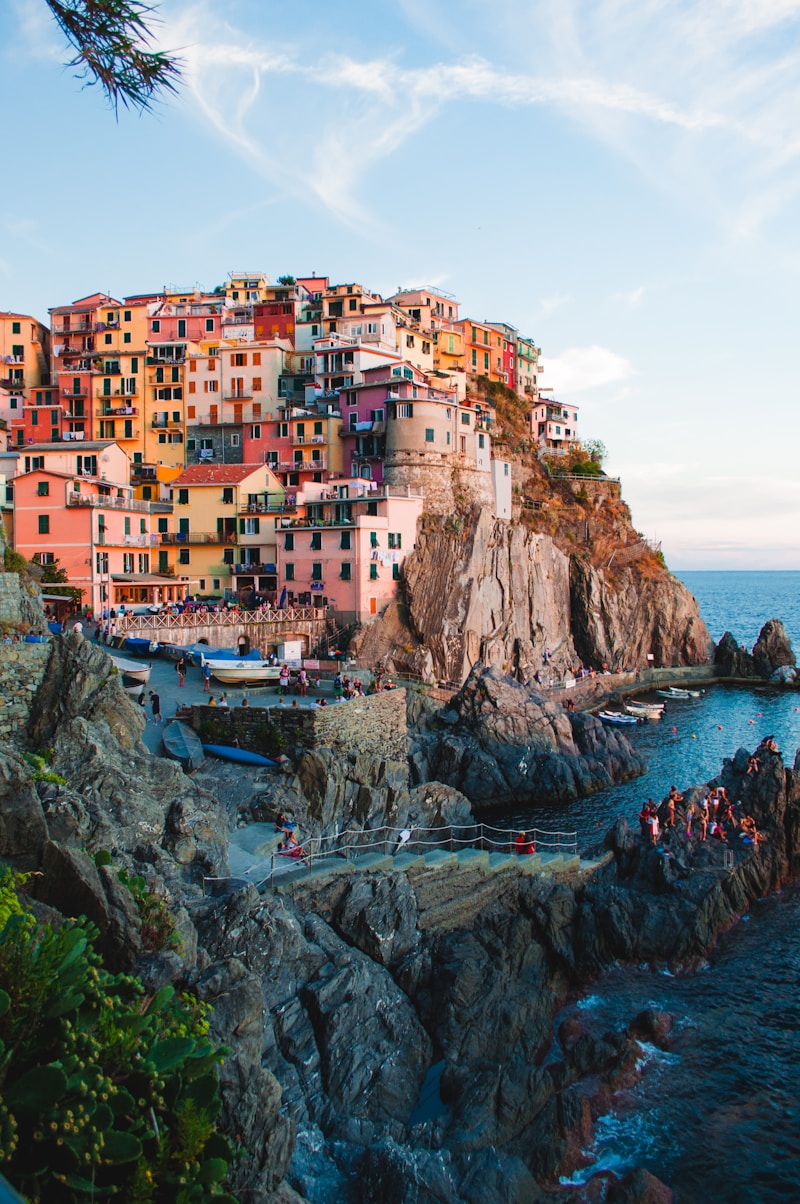
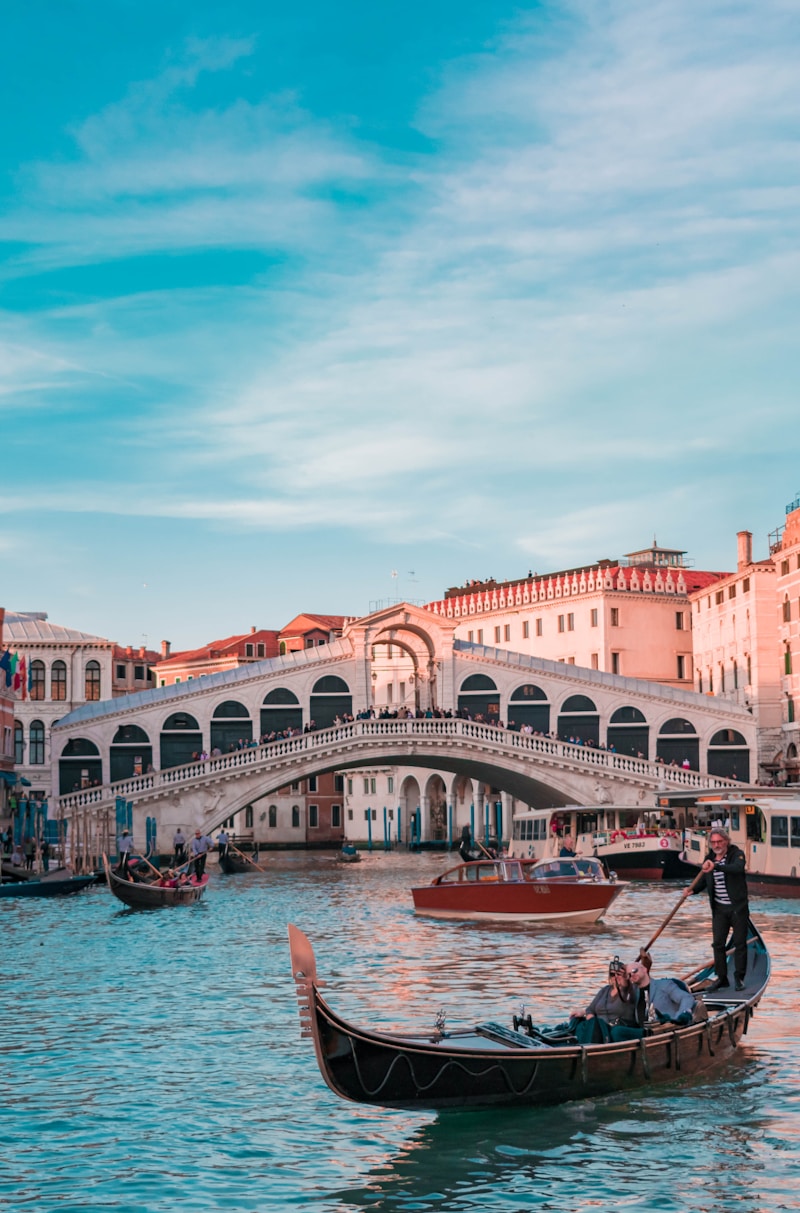
Start in Sorrento — good transport links, excellent food, and a beautiful old town worth an evening's wandering. Then work south along the SS163: Positano to Praiano to Amalfi to Ravello to Cetara to Vietri sul Mare. Each town earns at least one night. Do not try to do it all in a single day trip.
Where to Stay
Sights and Attractions

Amalfi Cathedral (Duomo di Sant'Andrea)
The Arab-Norman facade at the top of a broad staircase, in the middle of the piazza, at noon — it stops you cold. The crypt below holds the remains of Saint Andrew and is worth the small entry fee. The cloister of Paradise, attached to the side, is one of the most beautiful spaces in all of southern Italy.
Villa Rufolo and Ravello
Ravello sits 350 metres above sea level, above the noise and the heat, in a different emotional register entirely. Villa Rufolo's gardens host classical concerts in summer with the orchestra performing against a backdrop of open sea. Book ahead — these sell out weeks in advance.
Path of the Gods (Sentiero degli Dei)
A 7.5km high trail along the ridge above the coast, with views that make every step feel cinematic. Doable in 3–4 hours with moderate fitness. Start from Bomerano, finish in Nocelle above Positano.
The Emerald Grotto (Grotta dello Smeraldo)
A sea cave near Conca dei Marini where the water turns an extraordinary shade of emerald green. Less famous than Capri's Blue Grotto, equally beautiful, and far less crowded.
What to Eat and Drink
- Sfogliatelle — ricotta-filled shell pastry, eat one warm from any bakery
- Scialatielli ai frutti di mare — thick local pasta with mixed seafood, the coast's signature dish
- Alici fritte — fried anchovies from Cetara, impossibly fresh and eaten whole
- Delizia al limone — a sponge dome soaked in lemon cream, the signature dessert
- Limoncello — made from Amalfi lemons, which are larger and more intensely flavoured than anywhere else. Buy from a farm, not an airport shop.
Visit in May or October. The weather is still warm and the light is extraordinary, but the peak-season crowds are gone and prices drop 20–40%. Most restaurants and hotels are fully open, and the ferry services still run regularly.
Italy does not just feed you. It reminds you what eating is actually for — and the Amalfi Coast does it more extravagantly, more beautifully, and more memorably than almost anywhere else on earth.