
I arrived in Merzouga at dusk with a bag too heavy and expectations too neat. The Sahara does not accommodate expectations. It does not try to be what you imagined. It simply is — vast, indifferent, and more beautiful than anything I knew how to describe. By the time my camel crested the first dune and I saw what lay beyond, I had already understood: this was going to take something from me. The best kind of taking.
"The Sahara is the only place I have ever been where silence has a texture. You can feel it pressing against your ears."
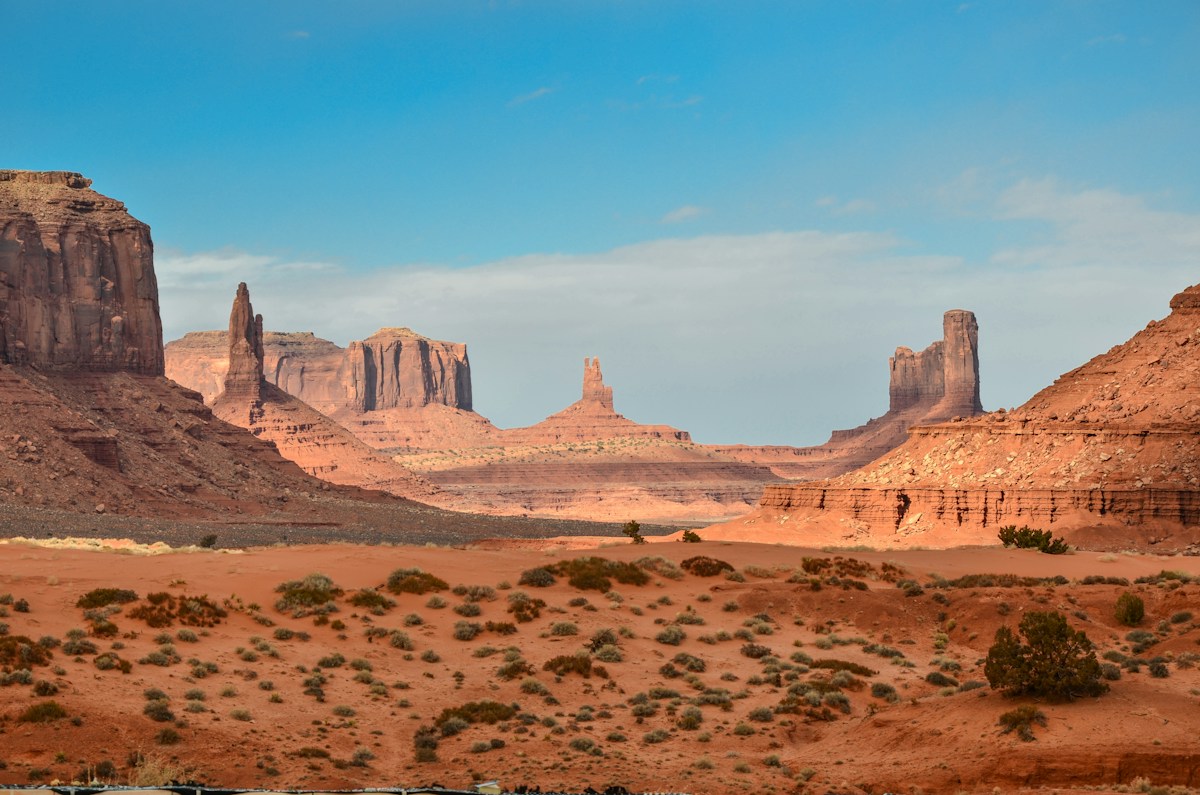
Getting There
Fly into Marrakech (RAK) — the main international gateway for southern Morocco. From Marrakech, the drive to Merzouga and the Erg Chebbi dunes passes through the High Atlas Mountains, Ouarzazate, the Draa Valley date palms, and the beginning of the desert. It is 9–10 hours by car — and one of the most cinematically beautiful drives in the world.
Marrakech is exceptionally well connected. From the UK, Ryanair, easyJet, and Jet2 offer flights from under £80 return — sometimes well under. From North America, connections through Madrid, Paris, or Casablanca bring total fares to $500–800 return. Royal Air Maroc also offers competitive direct services from Montreal and New York. Booking 8–10 weeks ahead delivers the best rates.

Where to Stay
The camps vary enormously — from mass-market operations 15 minutes from the road to genuinely remote Berber experiences two hours deeper into the dunes. The extra distance is worth it every time.
Sights and Attractions

Erg Chebbi Dunes at Sunrise
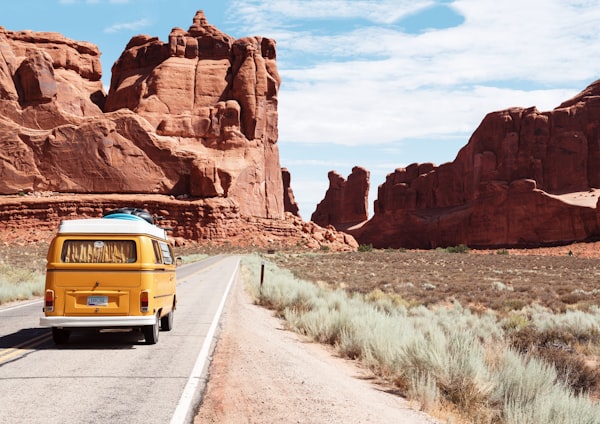
Wake at 4:30am. It sounds brutal — it is completely, absolutely worth it. The light on the dunes in the first 20 minutes after sunrise is unlike anything else on earth: long shadows, deep orange ridgelines, and a temperature still cool enough to run up the soft sand without collapsing.
Camel Trek into the Desert
The cliche exists for a reason. A two-hour camel journey to a remote camp, watching the dunes change colour around you, is one of the most complete sensory experiences available on this planet. Book through your riad or camp — not through people who approach you on the road.
Ksar of Ait Benhaddou
A UNESCO World Heritage mud-brick fortress town on the road between Marrakech and Ouarzazate. It has been the filming location for Game of Thrones, Gladiator, and Lawrence of Arabia. It is extraordinary in real life — not just on screen.
Ouarzazate and The Film Studios
The Atlas Corporation Studios have hosted more epic productions than almost anywhere on earth. The tours are genuinely fascinating for film fans, and the town itself — dusty, sun-baked, genuine — is a great lunch stop on the way south.
Draa Valley
The road from Ouarzazate to Merzouga passes through 200km of date palm oasis, fortified kasbahs, and nomadic villages. Stop constantly. The valley is arguably as beautiful as the dunes themselves.
Practical Advice
- Season: October–April only. Summer temperatures regularly exceed 50°C (122°F)
- Headlamp: Essential — dunes are completely disorienting in total darkness
- Layers: Desert nights get surprisingly cold, especially November–February
- Pashmina or shawl: Doubles as sun protection by day and warmth at night
- Water: Drink twice what you think you need, from first thing in the morning
- Sand protection: It gets into everything — pack a dry bag for electronics and camera gear
The drive from Marrakech is long — consider breaking it in Ouarzazate or Boumalne Dades. The Dades and Todra Gorges add two extraordinary detours that most Sahara visitors miss entirely, and both are worth an overnight stay.
I left something in the Sahara. Some version of myself that needed the noise and the schedule and the performance of ordinary life. I do not want it back.