
Fushimi Inari at dawn is already crowded by the time the first light touches the torii gates. Kyoto's secret is that the crowds stay on the same three paths — leave them, and you have ancient Japan entirely to yourself. Moss-wrapped stone lanterns, the smell of incense drifting through cedar trees, and nothing but the sound of wind and your own footsteps.
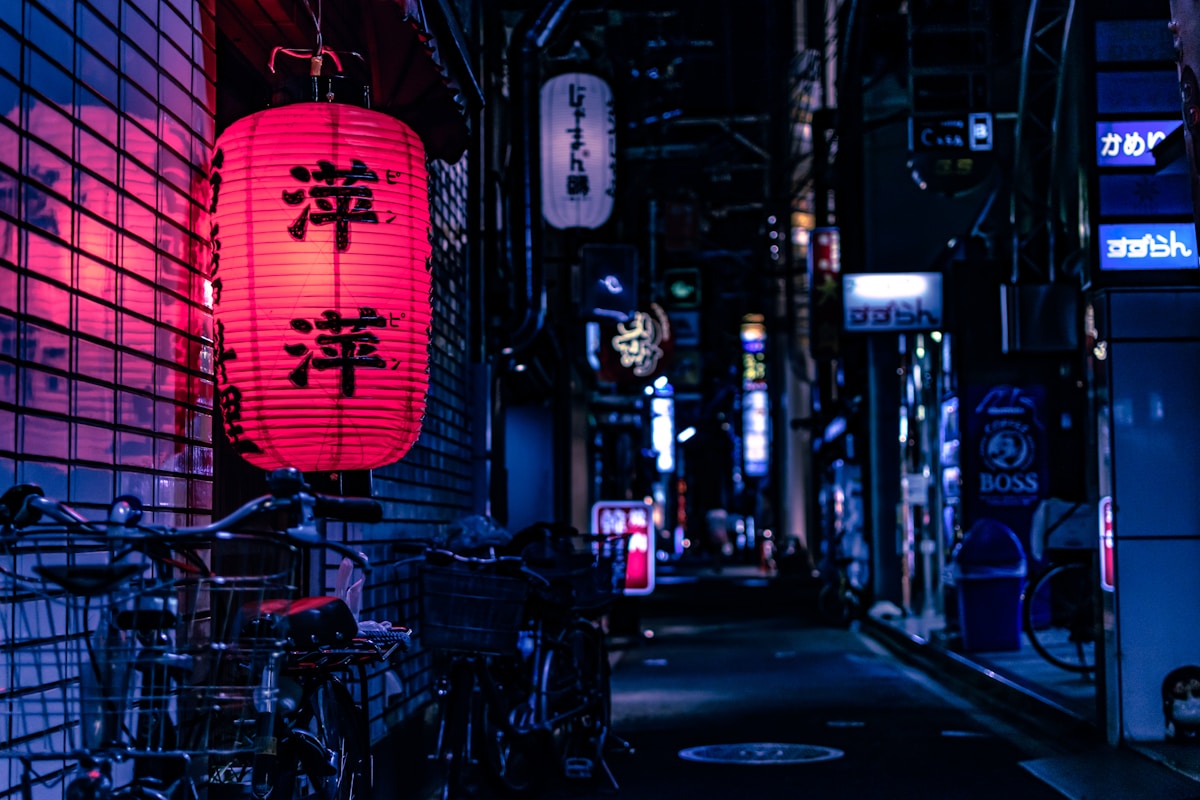
"In Kyoto, every side street is a discovery. The city rewards those who get lost deliberately."
Getting There
Kyoto is extraordinarily well connected. Fly into Osaka Kansai (KIX) or Tokyo Narita/Haneda — both have direct flights from major hubs worldwide. From Osaka, the express train reaches Kyoto in 75 minutes. From Tokyo, the Shinkansen bullet train takes just over 2 hours and is an experience in itself.
Direct flights to Osaka or Tokyo from North America can be found for $600–900 return if you book 2–3 months out and avoid Golden Week (late April/early May) and Obon (mid-August). Budget carriers like Zipair and Peach also offer competitive connections. Japan Rail Passes offer exceptional value for multi-city trips.
Where to Stay
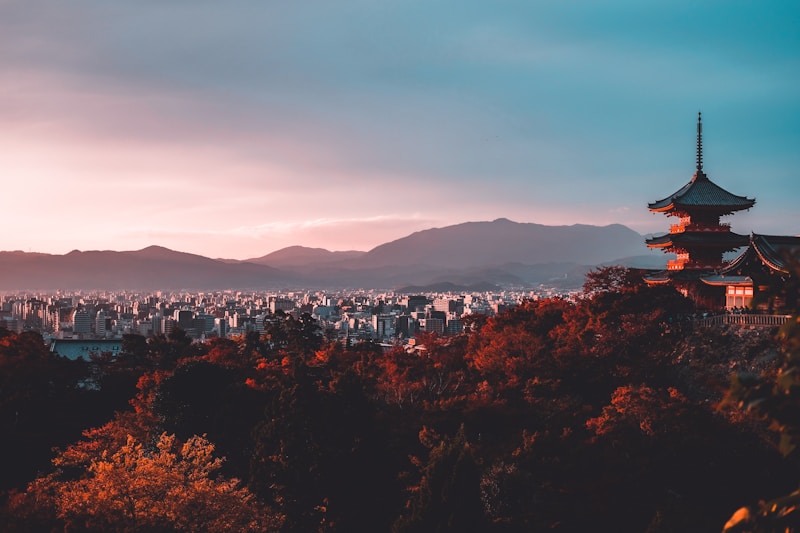
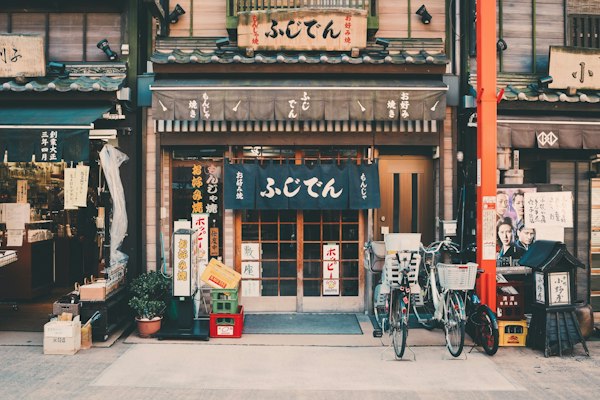
Kyoto's neighbourhoods each have a distinct character. Staying in the right one makes an enormous difference to your experience of the city.
Sights and Attractions

Fushimi Inari-taisha
Yes, everyone goes. Go anyway — but go at 5:30am. The first hour after sunrise, before the tour buses arrive, the 10,000 vermilion torii gates are genuinely eerie and magnificent. Hike all the way to the summit (2 hours round trip) for views over the entire city.
Kinkaku-ji (Golden Pavilion)
Covered in gold leaf and reflected in a perfectly still pond — it is almost unfairly photogenic. Arrive when it opens at 9am to beat the worst of the crowds.
Arashiyama Bamboo Grove
Five minutes' walk from the famous grove, find Jojakko-ji — a moss-and-stone temple that most visitors walk straight past. Inside: stone pagodas half-consumed by tree roots, and a silence so complete it feels sacred.
Kurama and Kibune
A 30-minute train ride north brings you to an entirely different Kyoto. Kurama-dera temple clings to a forested mountain. In summer, Kibune's riverside restaurants serve dinner over the running stream. In winter, Kurama is lit by lanterns for its fire festival.
Nishiki Market
Called "Kyoto's Kitchen" — a covered street market five blocks long, packed with tofu makers, pickle vendors, and sweet shops that have been operating for centuries. Eat everything. Ask questions.
Philosopher's Path
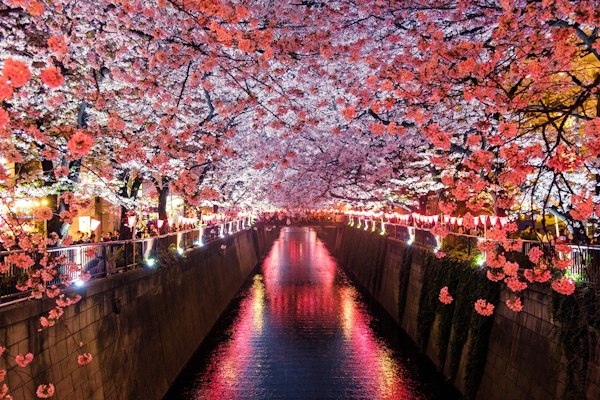
A canal-side stone path connecting several temples through a residential neighbourhood. Walk it in cherry blossom season (late March–early April) and you will understand why people plan entire trips around a single week of flowers.
Get an IC card (Suica or ICOCA) loaded with yen at the airport — it works on every bus, train, and subway in Kyoto and most of Japan. Far easier than buying individual tickets, and often cheaper too.
Kyoto rewards the slow traveler. Give yourself a minimum of four full days — and leave two of them completely unplanned. The best moments here are never on any itinerary.