
I waited four nights. The first two: clouds, wind, nothing. The third: a faint green shimmer, gone in twenty minutes before I could even fully wake up. The fourth night: the sky opened and danced for three hours straight. Every shade of green, curtains of violet at the edges, and at one point something almost white-gold that made me stop breathing. Worth every frozen finger. Worth every night.
"The aurora does not perform on schedule. That is precisely what makes witnessing it feel like the universe chose you."
Getting There
Reykjavik's Keflavik Airport (KEF) is one of the best-connected small airports in Europe. Icelandair has direct flights from 25+ North American cities, and European budget carriers including Wizz Air and easyJet serve it extensively from the UK and continent.
Winter flights (November–March) drop significantly compared to summer — sometimes 40–50% less. Icelandair's stopover program lets you add a free Reykjavik layover on transatlantic flights at no extra cost. From North America, $450–650 return is very achievable if you watch fares 6–8 weeks out. From the UK, sub-£100 returns appear regularly on budget carriers.
Where to Stay
This matters enormously for aurora hunting. Reykjavik has great hotels but terrible light pollution. Get out of the city — your odds of seeing the lights triple immediately.
Sights and Attractions

Jokulsarlon Glacier Lagoon
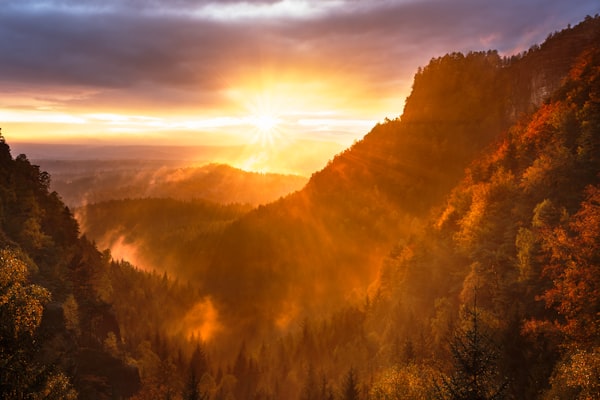
Icebergs calve from Breidamerkurjokull glacier directly into a lagoon, then float out to sea across the black sand Diamond Beach. In winter, the lagoon sometimes freezes at the edges. If the aurora appears here on a clear night — and it can — you will be taking photos with shaking hands.
Skogafoss and Seljalandsfoss
Two of Iceland's most spectacular waterfalls, both on the South Coast and both accessible year-round. Seljalandsfoss has a path behind the curtain of water — extraordinary in any season, completely otherworldly when iced over in winter.
Snaefellsnes Peninsula
Jules Verne's gateway to the centre of the earth. A glacier-capped volcano, lava fields, fishing villages, and a wild coastal road. Often called "Iceland in miniature" — one day here is worth three in Reykjavik.
The Blue Lagoon and Sky Lagoon
The Blue Lagoon needs no introduction — milky turquoise geothermal waters in a lava field. Book weeks in advance. For a less-crowded alternative, Sky Lagoon in Reykjavik offers an infinity edge over the ocean and a superb traditional Icelandic bathing ritual.
Golden Circle
Thingvellir (where the tectonic plates visibly meet), Geysir (the original geyser, erupting every 6 minutes), and Gullfoss waterfall — Iceland's classic day circuit from Reykjavik. Do it, but go on a weekday and start early.
Download the Vedur app (Iceland Met Office) for cloud cover forecasts and the My Aurora Forecast app for KP index alerts. A KP of 3+ with clear skies within 100km is a very good night. At KP 5+, drive north and look up — the whole sky can move.
The lights are real. The cold is real. And the silence — when the sky finally ignites and you are standing in a field somewhere in southern Iceland at 2am — is the most real thing you will ever hear.