
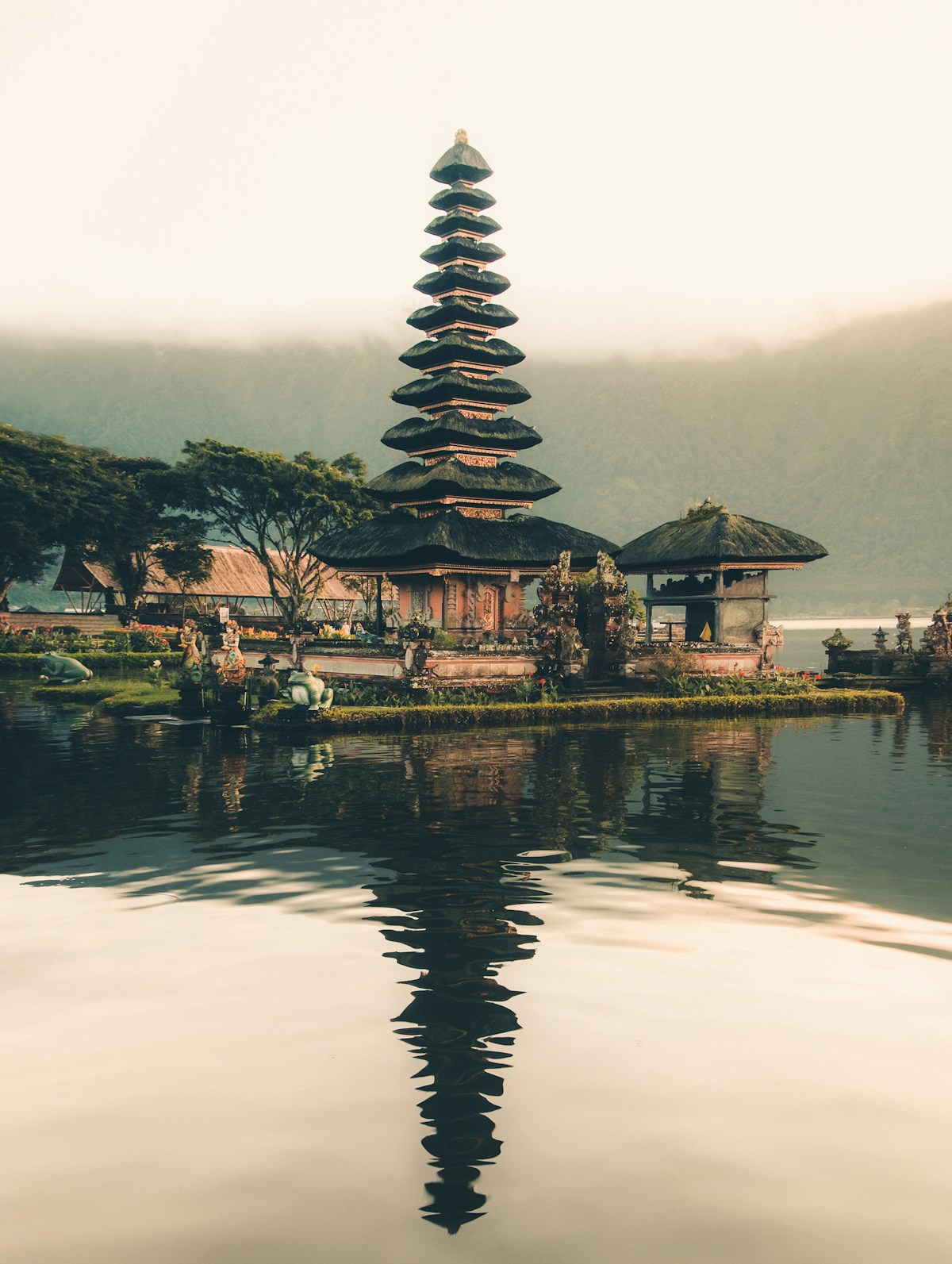
Bali has been written about to the point of cliche. Everyone knows the rice terraces. Everyone knows the temples. Everyone has seen the photograph of the woman in a sarong balancing an offering on her head with the sunset perfectly framed behind her. But show up before 6am to any of those places — genuinely, properly before dawn — and Bali returns to itself. Quiet, ceremonial, genuinely other. The island underneath the Instagram version is extraordinary.
"Bali does not reveal itself to the person who ticks boxes. It opens slowly, like a temple gate, to those who stay still long enough."
Getting There
Bali's Ngurah Rai International Airport (DPS) receives direct flights from Australia, Singapore, Kuala Lumpur, Tokyo, and increasingly from the Middle East and Europe. Most travelers from North America or Europe connect in Singapore, Kuala Lumpur, or Hong Kong.
London to Bali via Singapore regularly comes in under £600 return if booked 8–12 weeks ahead with Singapore Airlines or budget arm Scoot. From North America, Los Angeles to Bali via Tokyo or Seoul can be found for $700–950 return. AirAsia X runs low-cost service from Kuala Lumpur. Avoid December–January peak and you will find much better fares across all routes.
North vs South - Choose Wisely
Southern Bali (Seminyak, Canggu, Kuta) is where the beach clubs, rooftop bars, yoga studios, and tourist infrastructure concentrate. It is lively, expensive by local standards, and increasingly indistinguishable from any upscale beach resort. That is not a criticism — it is excellent at what it does. But it is not the whole island.
Northern Bali — Munduk, Singaraja, Lovina, Amed — is something else entirely: misty coffee plantations, empty black-sand beaches, traditional villages where ceremonies happen for the villagers rather than the visitors, and a pace that actually slows you down rather than offering the performance of slowness.
Where to Stay
Sights and Attractions
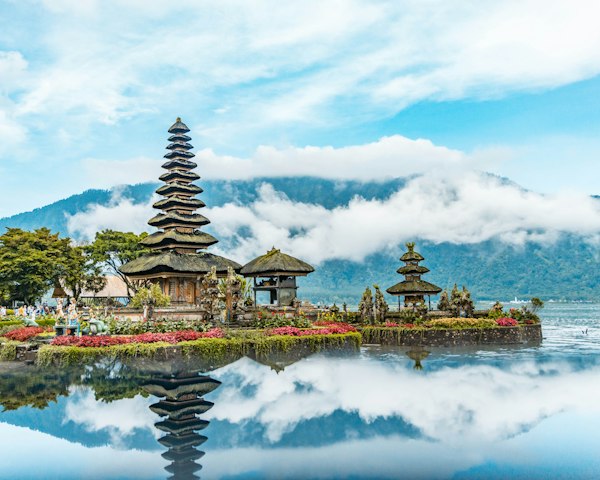
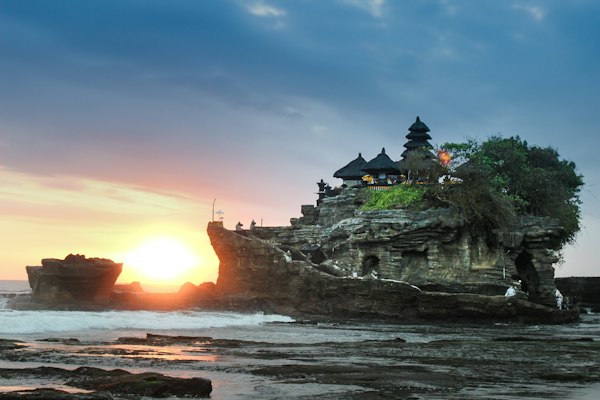

Uluwatu Temple at Sunset
Perched on a 70-metre cliff at the island's southwestern tip, Uluwatu is Bali's most dramatically sited temple. The Kecak fire dance performance at sunset, with the Indian Ocean crashing below and the sky turning amber, is one of those travel moments that works exactly as advertised.
Mount Batur Sunrise Hike
A 4am start, a 2-hour climb up an active volcano, and a sunrise from the crater rim that makes the sleep deprivation feel completely irrelevant. The caldera lake below, the cloud sea stretching to the horizon, the smell of sulphur from the vents — completely unforgettable.
Tegallalang Rice Terraces
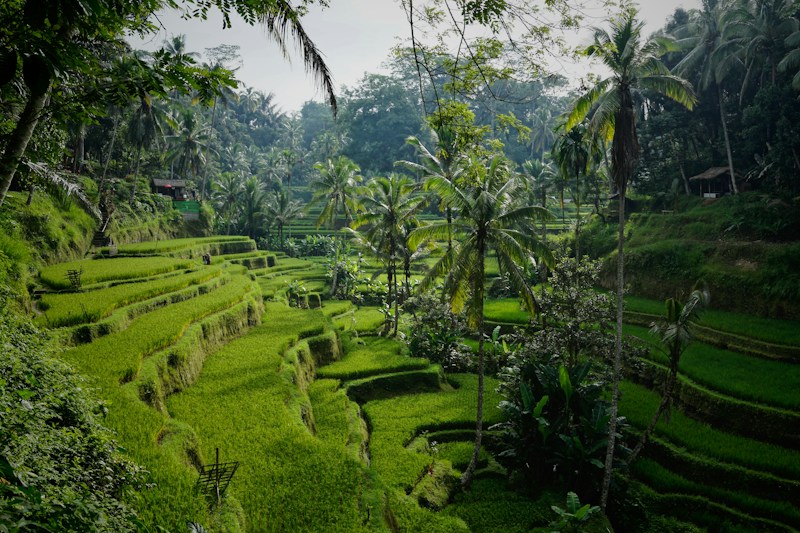
The iconic terraces north of Ubud. Yes, they are famous. Yes, there are now cafes built into them and a small entry fee. Go anyway at first light, before the crowds arrive, and walk down into the terraces themselves rather than looking from the road above. The ancient subak irrigation engineering is astonishing.
Tirta Empul Holy Spring
A Hindu water temple where Balinese pilgrims come to purify themselves in natural spring pools. Visitors are welcome — dress respectfully, hire a guide to understand the ritual, and enter the water only if invited and with genuine reverence. One of the most spiritually alive places on the island.
Sekumpul Waterfall
In the lush north, past rice terraces and through jungle, a cluster of seven waterfalls drops 80 metres into a green gorge. Reached by a 45-minute jungle hike. Almost nobody goes. It is one of the most beautiful places in all of Indonesia.
Nusa Penida Day Trip
The island 45 minutes by fast boat from Sanur. Kelingking Beach — a T-Rex-shaped sea cliff above turquoise water — is on every Bali bucket list for good reason. Go on a weekday and hire a driver for the full island circuit.
Getting Around
Scooter rental runs around IDR 75,000–100,000 per day and is the most flexible option for experienced riders. If you are not comfortable on two wheels, hire a local driver for the day — USD $35–50 gets you 8+ hours with someone who knows every temple, warung, and rice field road that does not appear on Google Maps.
Balinese Hinduism infuses every aspect of daily life — you will see small offerings (canang sari) placed on the ground everywhere, every morning. Step around them, never over them. When visiting temples, always wear a sarong and sash (usually provided at the gate or rentable for a small fee). The ceremonies you may stumble upon are real — observe quietly and with genuine respect.
Bali is still magic. The cliches became cliches because they are true. You just have to meet the island halfway — a little earlier, a little further off the main road, with a little more willingness to be genuinely surprised.